Rocket League esports has rapidly evolved from a unique fusion of soccer and vehicular mayhem into a formidable presence in the competitive gaming landscape. Since its inception, it has attracted an enthusiastic community and significant viewership, highlighted by major tournaments that celebrate the game’s dynamic gameplay and strategic depth.
These events not only showcase the top talent but also reflect the keen support from game developers and publishers who continuously enhance the esports experience, ensuring the community remains engaged and invested in the future of Rocket League.
Overview of Rocket League Esports
Rocket League has rapidly evolved into a significant player in the esports arena since its inception in 2015. Combining elements of soccer with high-octane vehicular acrobatics, the game captivated audiences and players alike, leading to the establishment of a robust competitive scene. Over the years, Rocket League esports has grown, featuring an array of major tournaments that not only showcase top-tier talent but also solidify the game’s position within the gaming community.
Origins and Evolution
The journey of Rocket League esports began shortly after the game’s release. The first major tournament, the “Rocket League Championship Series” (RLCS), launched in 2016. Since then, it has expanded into a multi-season event with global participation. Major tournaments such as the “World Championship” have become pivotal, attracting millions of viewers and offering substantial prize pools. The developers, Psyonix, have been instrumental in supporting these events, providing resources, and promoting the competitive scene, helping it flourish as a legitimate esports category.
Major Tournaments
Rocket League has several notable tournaments that have impacted its esports landscape. Key events include:
- Rocket League Championship Series (RLCS): The flagship tournament that features the best teams worldwide.
- RLCS X: Introduced new formats and a revamped point system, increasing engagement and competitiveness.
- DreamHack Rocket League: A series of events that combine local LAN tournaments with online competitions to widen accessibility.
These tournaments not only provide a platform for players to showcase their skills but also foster community engagement and viewership.
Role of Publishers and Developers
Psyonix has played a crucial role in facilitating the growth of Rocket League esports. The company has actively supported tournaments with sponsorships and in-game events that align with competitive play. By integrating seasonal updates and regularly engaging with the community, they ensure that the game remains fresh and competitive, which enhances the overall esports experience.
Popular Teams and Players
In Rocket League esports, several teams have risen to prominence, achieving remarkable feats in tournaments and contributing to the game’s popularity. Their success stories are a testament to teamwork, strategy, and individual skill, which are crucial in the competitive environment.
Top Teams
Prominent teams in Rocket League include:
- NRG Esports: Known for their strong performances and multiple tournament wins, including RLCS titles.
- Team BDS: A rising powerhouse in the scene, noted for their strategic gameplay and recent victories.
- G2 Esports: A fan-favorite team with a vibrant personality, noted for their attractive playstyle and consistent tournament placements.
These teams have not only excelled in competitions but have also built substantial followings within the community.
Prominent Players
The individual talents within these teams significantly impact their success. Notable players include:
- GarrettG: A veteran known for his exceptional mechanics and leadership on the field.
- Fairy Peak!: Renowned for his innovative plays and strategic insight.
- SquishyMuffinz: A fan favorite for his entertaining streams and clutch performances in critical moments.
These players contribute to the vibrant esports scene, often engaging with fans through social media and streaming platforms.
Impact of Team Dynamics
Team dynamics play a vital role in the success of Rocket League teams. Effective communication, synergy, and shared goals foster a cohesive environment that can lead to victories. Teams that understand each other’s playstyles and can adapt to in-game situations tend to perform better, showcasing the importance of teamwork in such a competitive landscape.
The Competitive Format
Understanding the structure of Rocket League tournaments is essential for fans and aspiring players alike. The competitive format varies widely, impacting how teams prepare and strategize for their matches.
Tournament Structure
Rocket League tournaments generally follow specific formats, including:
- Single Elimination: Teams are eliminated after a single loss, creating high stakes in each match.
- Double Elimination: Teams have a second chance, allowing for more strategic play and opportunities for redemption.
- Round Robin: Each team plays against all others, which helps in fairer rankings based on overall performance.
This variety allows for different competitive experiences and encourages diverse strategies.
Ranking Systems
Ranking systems are crucial in determining seeding within tournaments. They reflect the team’s performance over time, influencing their matchups in competitions. A well-structured ranking system ensures that the strongest teams face off against one another, increasing the excitement and competitiveness of the events.
Community Engagement
The Rocket League community plays a vital role in supporting esports, with grassroots events and fan engagement helping to cultivate a thriving scene. Community-driven initiatives have proven essential in keeping the competitive spirit alive.
Grassroots Support
Grassroots events, such as local tournaments and community leagues, provide an opportunity for aspiring players to showcase their skills and gain experience. These events often attract local audiences and foster a sense of community, bridging the gap between casual and professional play.
Fan Engagement
Fans engage with their favorite players and teams primarily through social media and streaming platforms. By following players on Twitch and Twitter, fans can stay updated on their activities and interact with them directly. This interaction enhances the sense of community and allows players to build personal brands within the esports landscape.
Community Feedback
Community feedback is crucial in shaping the competitive play and updates within Rocket League. Developers often consider player input when making adjustments to game mechanics or introducing new features, ensuring that the game evolves in a way that resonates with its audience.
Related Online Games
Rocket League stands out in the online gaming scene, but it shares similarities with other games that have ventured into the esports domain. Understanding these comparisons can offer insights into the broader landscape of competitive gaming.
Comparison with Other Games
When comparing Rocket League to other online games, several factors come into play, including:
- Gameplay Mechanics: Rocket League’s unique blend of soccer and driving sets it apart from traditional shooters or RPGs.
- Community Engagement: Similar to games like Fortnite and Valorant, Rocket League fosters a vibrant community that thrives on competition.
- Women in Esports: Games like Overwatch have made strides in appealing to female players, showing that community diversity is key in expanding the player base.
These comparisons highlight Rocket League’s distinctive place in the gaming world.
Games for Kids
Several online games designed for younger audiences incorporate competitive elements similar to Rocket League. Titles like Splatoon and Mario Kart emphasize teamwork and skill in a family-friendly environment, making them appealing to a broader demographic.
Free Online Gaming Trends
The rise of free online games has reshaped the gaming landscape, influencing player demographics and esports participation. Understanding these trends is crucial for grasping the future of gaming.
Impact of Free Games
The popularity of free online games has expanded accessibility, allowing more players to participate in competitive gaming. These games often rely on microtransactions for revenue, enabling them to sustain a player base while offering engaging gameplay. Examples include titles like Apex Legends and Fall Guys, both of which have established competitive scenes.
Online Game Apps
The growth of online game apps has influenced esports participation by attracting casual players. Games with simple mechanics and quick matches allow for easy engagement, drawing in new audiences who may later transition into more competitive gameplay.
Popular Free Games
Some popular free online games that draw parallels to Rocket League include:
- Brawlhalla: A platform fighter that emphasizes skill and competition.
- League of Legends: While different in genre, it shares a competitive spirit and community-driven events.
These games exemplify the diverse landscape of free online gaming alongside Rocket League.
Genre Diversity in Online Games
The diversity of genres in online games allows for a wide range of esports experiences. Understanding this diversity can enhance appreciation for games like Rocket League and their impact on the esports community.
Genres and Esports
Online games can be categorized into various genres, each with its unique esports scene. For instance:
- Arcade Games: Often focus on quick, engaging gameplay, appealing to casual players.
- Sports Games: Titles like FIFA and NBA 2K provide competitive environments similar to Rocket League.
- Cooking Games: While less competitive, they attract audiences through cooperative gameplay.
This genre diversity enriches the gaming experience and enhances the potential for esports.
Crossover with Other Sports Games
Rocket League shows significant crossover appeal with other sports-themed games, attracting fans from various backgrounds. The mechanics of teamwork and strategy in sports games foster a competitive environment that engages players deeply.
Thematic Appeal for Younger Audiences
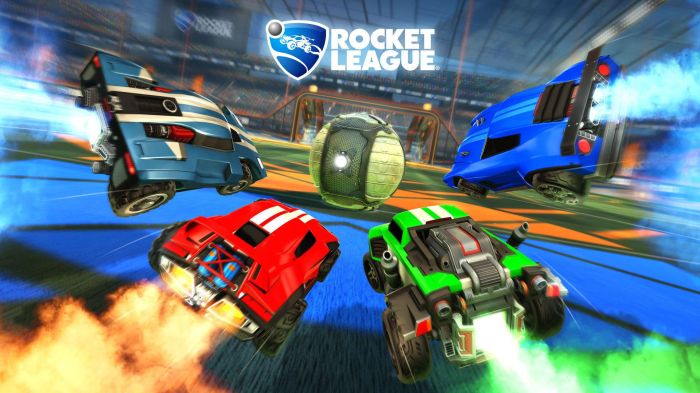
Games based on themes like anime or popular characters often resonate with younger audiences. Titles like Fortnite and Minecraft captivate players with creative gameplay and community engagement, drawing them into competitive elements similar to Rocket League.
Future of Rocket League Esports
The future of Rocket League esports looks promising, with emerging trends in technology and community engagement shaping its trajectory. As the competitive scene evolves, so do the opportunities for players and fans alike.
Emerging Trends
Advancements in technology, such as improved streaming platforms and virtual reality, could enhance the esports experience. These trends may lead to more immersive viewing experiences and broaden the appeal of Rocket League to new audiences.
Changes in Viewership
As viewership habits evolve, esports organizations must adapt their engagement strategies. This could involve more interactive content, such as fan voting on in-game decisions or personalized experiences for viewers, enhancing the overall enjoyment of esports.
Vision for the Future
The vision for Rocket League esports includes a thriving community that embraces diversity and innovation. Continued support from developers, alongside grassroots initiatives, will ensure a vibrant competitive landscape that captivates both players and fans for years to come.
Ending Remarks
In conclusion, the journey of Rocket League esports is a testament to how passion and innovation can shape competitive gaming. As the community grows, the excitement surrounding tournaments and player dynamics continues to elevate the scene, promising a thrilling future for both players and fans alike.
Essential FAQs
What platforms is Rocket League esports played on?
Rocket League esports is primarily played on PC, PlayStation, Xbox, and Nintendo Switch.
How can I watch Rocket League esports tournaments?
Tournaments are streamed live on platforms like Twitch and YouTube, often with commentary to enhance the viewing experience.
Is there a ranking system in Rocket League esports?
Yes, there is a ranking system that determines team standings and eligibility for various tournaments.
Can casual players participate in Rocket League esports?
Yes, casual players can participate in community tournaments and grassroots events to gain experience in competitive play.
What are the age restrictions for participating in Rocket League esports?
Many tournaments have age restrictions, typically requiring players to be at least 13 or older, but this can vary by event.